1. Artificial Intelligence (AI) – Personalization and smarter decision-making
1.1. AI Applications in business
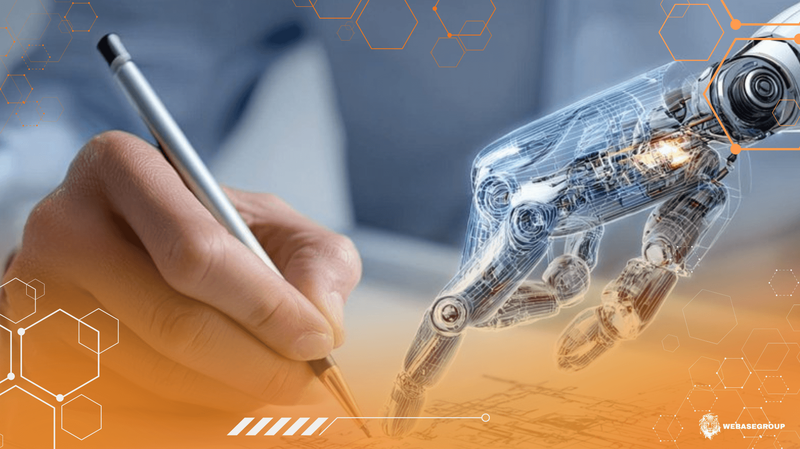
AI is becoming a core technology that helps businesses improve efficiency and enhance customer experience. Beyond automating repetitive tasks, AI enables intelligent data analysis to support faster and more accurate decision-making. AI can be applied across multiple areas to optimize operations and elevate customer experience, such as:
- Chatbots & virtual assistants: Provide 24/7 customer support, answer questions instantly, and reduce workload for support teams.
- Customer behavior analytics: Predict consumption trends, optimize marketing campaigns, and streamline inventory management.
- Personalized experiences: Recommend products, content, and promotions tailored to each customer, increasing engagement and conversion rates.
AI empowers businesses to better understand their customers, delivering experiences that are more relevant, faster, and more accurate.
1.2. Benefits of AI
Implementing AI brings several practical advantages:
- Reduced operational costs through automation of repetitive tasks.
- Increased revenue and conversion rates thanks to smarter data analysis and personalized experiences.
- Improved customer satisfaction and loyalty, creating a long-term competitive edge.
With AI, businesses can optimize everything from internal operations to customer experience while making faster, data-driven decisions.
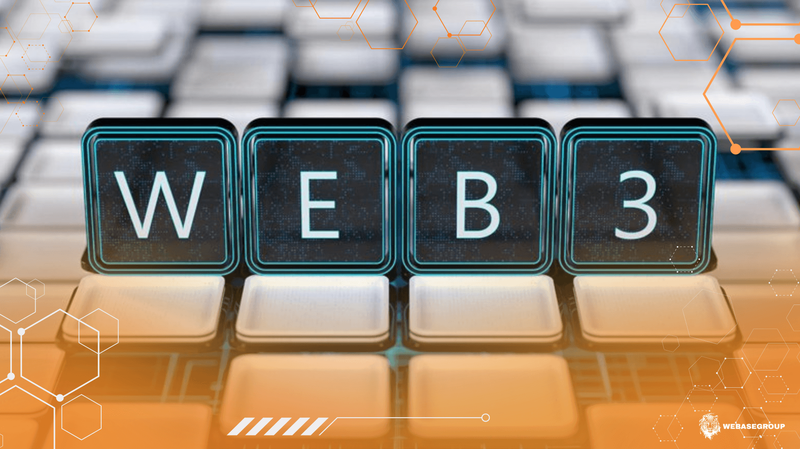
2. Web3 – Decentralized internet and data ownership
2.1. Key technologies of Web3
Web3 introduces a new internet model where users control their own data and interact directly without intermediaries. Key technologies include:
- Blockchain and NFTs: Protect digital ownership and ensure transparency in transactions.
- Smart Contracts: Automate agreements and transactions, reducing legal and operational risks.
- Community-based applications: Build loyal customer ecosystems through tokens or reward points.
2.2. Benefits of Web3
Implementing Web3 provides several advantages for businesses:
- Enhanced transparency and brand credibility.
- Long-term customer engagement through community-driven ecosystems.
- New business opportunities based on digital assets and decentralized data.
3. Internet of Things (IoT) – Smart connectivity and operational optimization
3.1. Practical applications of IoT
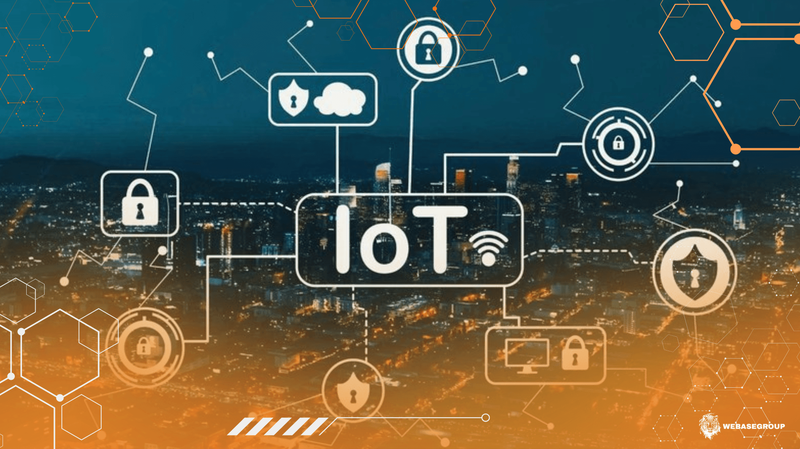
IoT connects smart devices to collect real-time data, enabling businesses to make faster and more accurate decisions. For example:
- Smart homes and wearables: Monitor health and enhance household convenience.
- Supply chain management: Track goods, optimize logistics, and reduce operational costs.
- Retail automation: Analyze customer behavior, automatically replenish stock, and optimize the shopping experience.
3.2. Benefits of IoT
With IoT, businesses can:
- Increase productivity and operational efficiency.
- Optimize personalized customer experiences.
- Reduce costs and risks while making data-driven decisions.
4. Tips for effectively applying 2025 technologies
4.1. Understand customer needs
Before implementing AI, Web3, or IoT, businesses should analyze actual customer behavior and need to select the most suitable technologies, avoiding waste and maximizing effectiveness.
4.2. Ensure seamless integration
Technology is only effective when integrated cohesively. For example, AI can recommend products, IoT can provide real-time data for AI analysis, and Web3 can safeguard data ownership while ensuring transaction transparency.
4.3. Continuous testing and optimization
To stay competitive, businesses must continuously test and improve. Monitoring user behavior, identifying experience bottlenecks, and updating technology ensures alignment with evolving trends and customer needs.
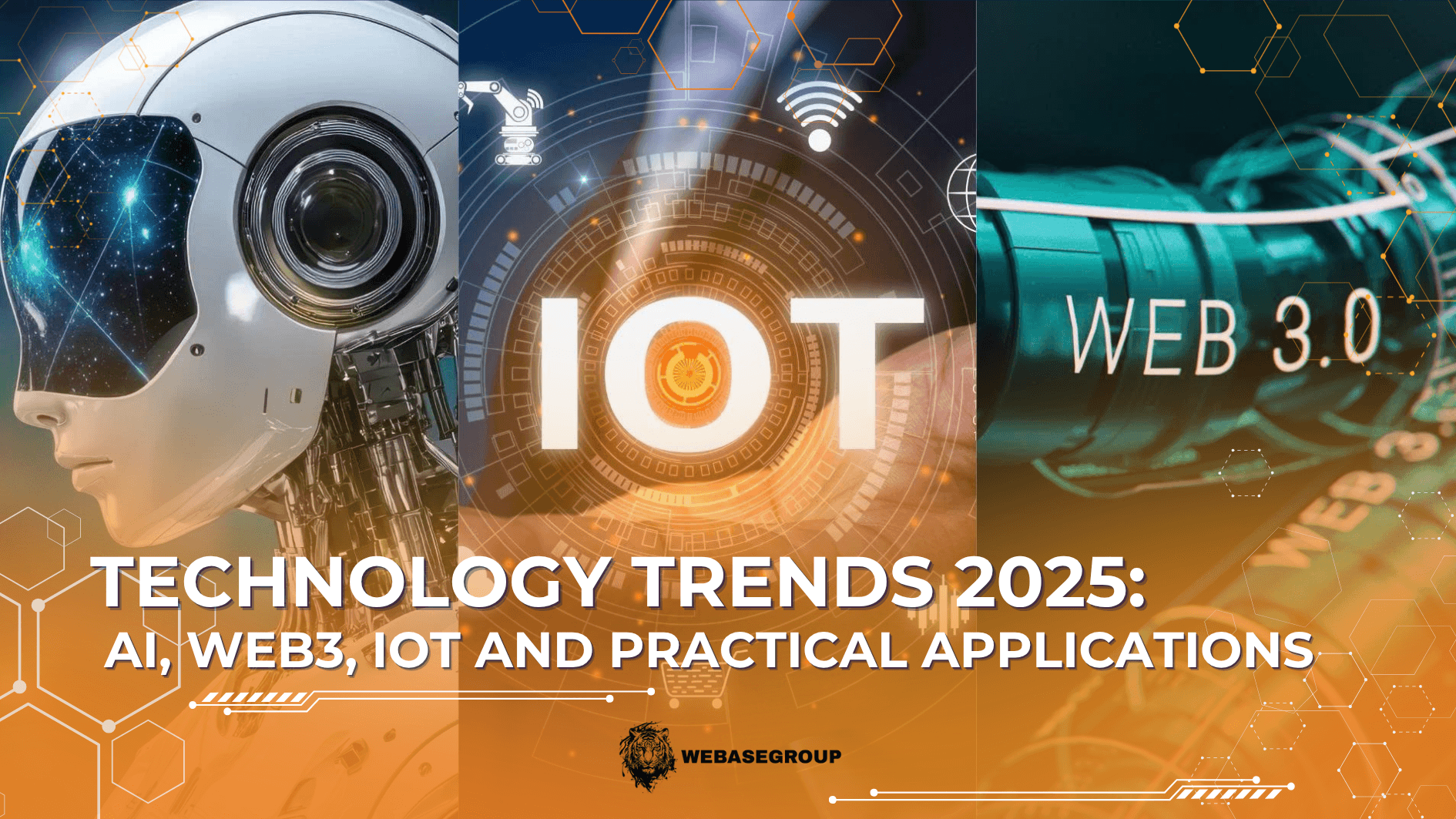
AI, Web3, and IoT are becoming essential technologies shaping the landscape in 2025. When applied effectively, they help businesses optimize operations, enhance customer experience, and gain sustainable competitive advantages. In a constantly evolving market, understanding users, continuously testing, and optimizing solutions will be key for businesses to fully harness the power of these emerging technologies.