Website SEO Optimization in 2026: Why It Matters
Website SEO optimization is the process of improving a website so that search engines can understand it better and users can find the right information more easily.
In 2026, SEO is no longer only about adding keywords to a page. Businesses need websites that are fast, mobile-friendly, easy to navigate, and useful for real users. A well-optimized website can help improve search visibility, attract organic traffic, and support long-term business growth.
Without proper SEO, even a well-designed website may struggle to appear on Google search results. This means fewer visitors, fewer leads, and fewer opportunities to convert potential customers.
The Three Core Pillars of Website SEO
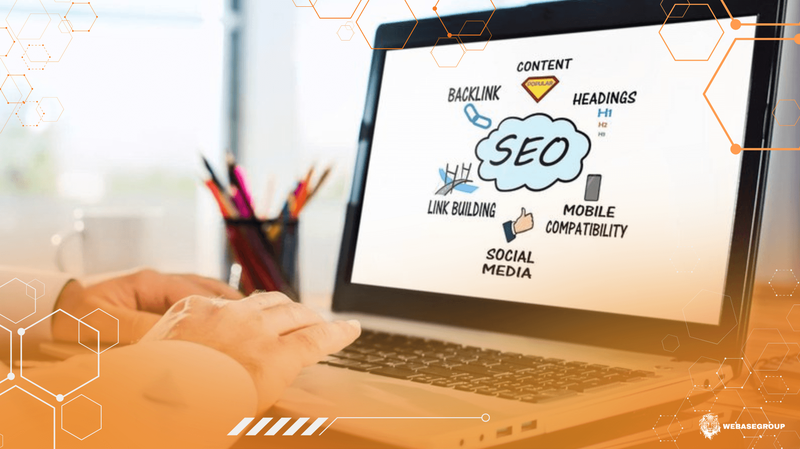
A complete website SEO strategy usually includes three main areas: on-page SEO, off-page SEO, and technical SEO. Each pillar plays a different role, but they all work together to improve website rankings and user experience.
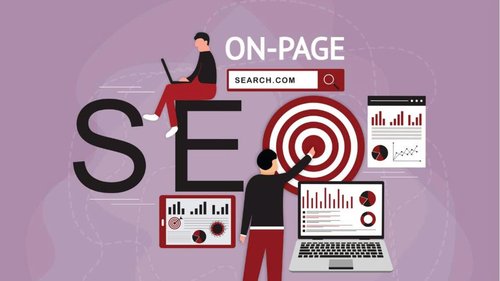
1. On-Page SEO: Optimizing Content and Website Pages
On-page SEO focuses on improving the content and structure of each page on your website. It helps search engines understand what your page is about and helps users quickly find the information they need.
Key on-page SEO elements include:
- Clear page titles and meta descriptions
- Proper heading structure such as H1, H2, and H3
- Helpful and relevant content
- Natural keyword usage
- Optimized images with ALT text
- Internal links between related pages
Good on-page SEO starts with understanding what users are searching for. Instead of repeating keywords too many times, businesses should focus on creating useful content that answers user questions clearly.
For example, if users search for “website SEO optimization,” the page should explain what it means, why it matters, and how businesses can improve it.
2. Off-Page SEO: Building Website Authority
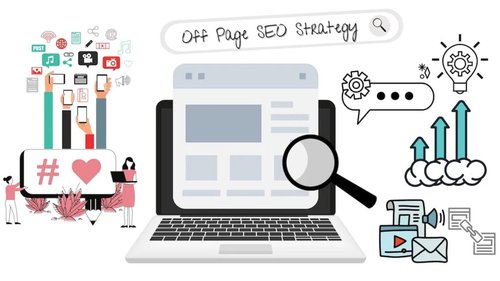
Off-page SEO includes activities outside your website that help build trust, authority, and credibility.
One of the most important parts of off-page SEO is backlink building. A backlink is a link from another website to your website. When reputable websites link to your content, search engines may view your website as more trustworthy and valuable.
Effective off-page SEO may include:
- Getting backlinks from relevant and reputable websites
- Publishing PR articles or guest posts
- Building brand mentions online
- Sharing content through social media
- Managing online reviews and business reputation
However, businesses should avoid low-quality or spammy backlinks. Buying links from unreliable sources can damage website performance and may lead to penalties from search engines.
A strong off-page SEO strategy should focus on long-term credibility, not short-term ranking tricks.
3. Technical SEO: Improving Website Performance and Indexability
Technical SEO focuses on the backend structure and performance of a website. It helps search engines crawl, index, and understand your website more effectively.
Technical SEO is especially important because users expect websites to load quickly and work smoothly on all devices. A slow or poorly structured website can increase bounce rate and reduce conversion opportunities.
Important technical SEO factors include:
- Fast page loading speed
- Mobile-friendly and responsive website design
- Secure HTTPS connection
- Clean URL structure
- Proper sitemap and robots.txt setup
- Fixing broken links and crawl errors
- Optimized website code and images
- Proper indexing of important pages
A technically strong website creates a better experience for users and gives search engines fewer barriers when crawling your content.
Website SEO Best Practices Businesses Should Follow in 2026
To improve website SEO performance in 2026, businesses should focus on both search engines and real users. The best SEO strategy is one that improves visibility while also making the website easier and more valuable to use.
Create Helpful and Search-Focused Content
Content should be written for users first. Businesses should answer common customer questions, explain services clearly, and provide useful information that supports decision-making.
Before writing content, it is important to research relevant keywords and understand user search intent. Search intent means the reason behind a user’s search.
For example, a person searching for “what is technical SEO” may want a simple explanation, while someone searching for “technical SEO agency” may be looking for a service provider.
Matching content with search intent helps improve SEO performance and increases the chance of attracting qualified visitors.
Optimize Titles, Headings, and Meta Descriptions
Titles and headings help both users and search engines understand the structure of a page.
A strong SEO structure should include:
- One clear H1 title for the main topic
- H2 headings for major sections
- H3 headings for supporting details
- A concise meta description that summarizes the page
- Keywords used naturally in important areas
A clear structure also improves readability. When users can scan the page easily, they are more likely to stay longer and explore more content.
Improve Website Speed and User Experience
Website speed is one of the most important factors in technical SEO. If a page loads slowly, users may leave before reading the content.
To improve website performance, businesses should:
- Compress and resize images
- Remove unnecessary scripts or plugins
- Use clean and efficient code
- Optimize hosting and server performance
- Reduce layout shifts and loading delays
A faster website improves user experience and can support better SEO results.
Make the Website Mobile-Friendly
Most users now browse websites on mobile devices. A responsive website design ensures that the website works well on different screen sizes, including smartphones and tablets.
A mobile-friendly website should have:
- Easy-to-read text
- Clear navigation
- Clickable buttons with proper spacing
- Fast loading speed on mobile networks
- Layouts that adjust smoothly to different devices
Mobile usability is no longer optional. It is an essential part of website SEO optimization.
Use Internal Links Strategically
Internal links connect related pages within the same website. They help users discover more useful content and help search engines understand the relationship between pages.
For example, a page about SEO services can link to related pages such as website development, content marketing, or technical SEO audit.
Good internal linking can improve website structure, support keyword relevance, and increase the time users spend on your website.
Build Trust Through Brand Reputation
SEO is also connected to trust. Businesses with strong online reputation, positive reviews, and consistent brand mentions are more likely to build credibility with both users and search engines.
To improve online reputation, businesses should:
- Encourage satisfied customers to leave reviews
- Respond professionally to feedback
- Publish high-quality content regularly
- Maintain consistent brand information across platforms
- Share expertise through blogs, case studies, and PR content
A trusted brand can perform better in search because users are more likely to click, read, and engage with its content.
Why Businesses Need a Website SEO Audit
A website SEO audit helps identify issues that may be limiting website performance. It reviews the website from different angles, including content quality, keyword usage, technical structure, loading speed, mobile usability, and search visibility.
A proper SEO audit can help businesses understand:
- Which pages are performing well
- Which keywords bring traffic
- What technical issues need to be fixed
- Whether the website is mobile-friendly
- How competitors are performing
- What content gaps should be improved
Instead of guessing what to improve, businesses can use SEO audit data to create a clear action plan.
WebaseGroup: Website SEO and Development Partner
WebaseGroup provides website SEO audit and website development solutions for businesses that want to improve search visibility, website performance, and digital growth.With experience in website strategy, UX/UI, technical implementation, and SEO optimization, WebaseGroup helps businesses identify website issues and build a practical improvement roadmap.Our SEO and website optimization services can help businesses:
- Review current website SEO performance
- Check keyword rankings and search visibility
- Improve on-page SEO and content structure
- Optimize technical SEO and website speed
- Improve mobile-friendly user experience
- Build a long-term SEO strategy based on real data
If your business wants to improve website traffic, generate more qualified leads, and strengthen online visibility, WebaseGroup can support you with a complete website SEO audit and website development solution.

Contact WebaseGroup today to improve your website SEO performance and build a stronger digital presence.
Website: webasegroup.com
Email: hi@webasegroup.com
Contact: +84 90 936 22 04